Making the decision to transition a family member into a care home is one of the most emotionally complex and significant milestones a family may ever navigate. For families affected by dementia, we know that this decision can feel especially daunting, with concerns about safety, comfort and wellbeing often at the forefront. That’s why we believe being able to make a confident choice is so important, knowing that your unique needs, values and circumstances can all be met.
Whether you are a family member, navigating this process for the first time, or a professional adviser, such as a private client solicitor, estate planner or a wealth adviser, supporting a family through care planning and having objective, practical guidance is critical.
This guide outlines the essential considerations for making that decision, including determining whether providing care yourself is still a sustainable option, understanding the different categories of care, assessing care home environments, and approaching visits with a structured evaluation process rather than relying solely on first impressions.
Determining When Care at Home is No Longer Sustainable
One of the most difficult questions families face initially is knowing exactly when to start looking for a care home. Often, families feel a sense of guilt, viewing residential support as a last resort. However, proactive, planned transitions generally lead to much better emotional outcomes than decisions made during a sudden health crisis.
Key indicators that staying at home may no longer be the safest or most sustainable option include:
- Escalating Safety Concerns: Increased vulnerability to household accidents, unintentional wandering or confusion regarding medication or mealtimes.
- Carer Fatigue: When primary family carers experience physical and emotional exhaustion. When care demands become a 24/7 duty, it can overshadow the loving family relationship you want to maintain with your relative.
- Behavioural changes and aggression: Symptoms of dementia can sometimes manifest as physical or verbal aggression. This is highly distressing and can cause family carers to feel stressed or resentful.
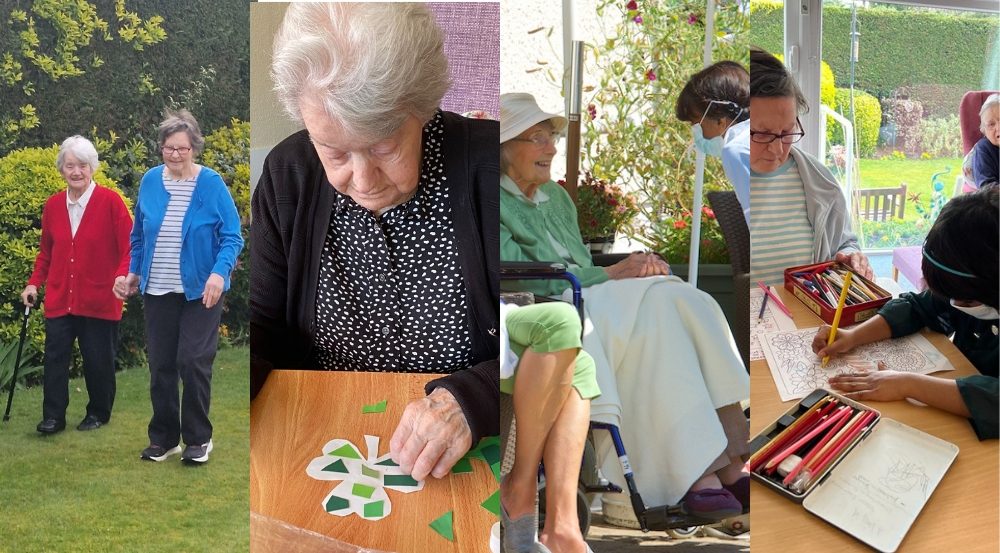
- Social Isolation: As mobility or cognitive function declines, an individual’s world can shrink. A lack of meaningful, daily social interaction can unfortunately accelerate cognitive decline.
Recognising these signs is not an admission of defeat; it is a proactive step toward finding an environment where your loved one can thrive safely.
Why might you consider a care home?
When families consider a care home, it is often viewed with hesitation. In reality, a well-chosen care setting does not diminish a person’s world; it expands it. Moving into a specialist care setting introduces clear physical, mental, and emotional benefits:
- 24/7 care and support: A round-the-clock presence ensures that expert assistance is always on hand, lifting an unsustainable burden from family carers and ensuring residents remain safe, comfortable and supported at all times, day or night.
- Social connection and cognitive resilience: Living within a care community can help reduce social isolation and encourage meaningful relationships. Regular social interaction, activities, and engagement can support cognitive wellbeing and quality of life for people living with dementia, as highlighted by the Alzheimer’s Society.
- A supportive family-like environment: Many dementia care homes aim to create a welcoming, home-like atmosphere where residents are treated as individuals. Smaller care settings, such as Heaton House, can often foster a strong sense of community and familiarity, helping residents feel comfortable, secure and never like just another number.
- Specialist dementia understanding: Dementia care homes invest in ongoing staff training to help teams understand the complexities of memory loss, communication difficulties, and behavioural changes. This enables care to be delivered with patience, empathy, and approaches tailored to each individual’s unique journey.
- Nutritious meals: Residents are provided with balanced meals and refreshments throughout the day. This can be particularly beneficial for people living with dementia who may experience changes in appetite, forget to eat, or find meal preparation challenging.
- Safe environment: Care homes are designed with safety in mind, offering purpose-built adaptations, clear layouts, and assistive support that help residents live confidently and safely.
The Different Categories of Care
Care homes are not a ‘one-size-fits-all’ solution. Choosing a setting that only meets physical needs but lacks the expertise to manage progressive cognitive conditions is a common pitfall:
- General Residential Care: Ideal for older adults who need assistance with daily living (meals, personal care, mobility) and seek companionship, but who do not require specialist cognitive support.
- Specialist Dementia Care: Essential for those living with Alzheimer’s or other forms of dementia. This care is delivered by staff who have undergone specific training in cognitive conditions, focusing heavily on routine, emotional reassurance, sensory well-being, and reducing anxiety in an adapted environment.
- Nursing Care: Necessary for individuals with advanced physical disabilities or severe medical conditions that require 24-hour clinical monitoring by registered nurses.
While many general residential homes accept individuals with mild memory loss, choosing a specialist dementia care home from the start ensures continuity. It prevents the distress of having to move your loved one again as their dementia journey progresses.
Assessing care home environments and culture
Glossy brochures and hotel-style reception areas may not reflect the daily reality of the home, which is why we always recommend personally viewing each setting. Many newer homes are very large, but for someone living with dementia, large, expansive facilities could be disorientating:
- Scale and Familiarity: A smaller, boutique residential care home naturally promotes a true ‘Home from Home’ ethos. Shorter corridors and familiar communal spaces foster a welcoming atmosphere that helps residents feel secure and reduces confusion.
- Staff Ratios and Person-Led Care: High staff-to-resident ratios mean care teams genuinely get to know every individual. Providing the highest standards of person-led care requires staff who demonstrate an empathetic, compassionate nature daily. Familiar faces build trust and allow staff to quickly notice subtle changes in health or mood.
- Promoting Independence and Dignity: A great care home motivates its residents. By promoting independence and engaging residents in meaningful activities, care teams assist residents in reaching their maximum potential whilst maintaining their respect and dignity at all times.
Approaching visits with a structured evaluation process
Visiting a home in person is the most critical stage of your search. Look beyond the initial tour and reach your own conclusions using these structured evaluation points:
- Observe the Atmosphere: Does the home feel friendly, safe, and relaxed? Are there signs of genuine life and engagement, or does it feel overly clinical?
- Watch Staff Interactions: Notice how the team speaks to the residents. Are they engaging with warmth, patience, and compassion?
- Resident Engagement: Are residents being encouraged to partake in meaningful daily activities, or are they left sitting in front of a television unattended?
- Ask the Right Questions: When speaking with the manager, ask directly about their staff-to-resident ratios, their specific dementia training programmes, and how they involve families in ongoing, personalised care reviews.
Making your Decision with Confidence
If you do decide that a care home is the best option, the next challenge is to ensure that you choose the right one. There are currently over 65 different care homes within Worthing, each offering a unique area of care. Therefore it can feel overwhelming finding the best choice for your individual needs and preferences.
If you are in the early stages of planning for the future, or supporting a client through care transitions, we are always here to provide guidance.
Although we recognise that Heaton House may not always be the right fit for everyone, having been established in Worthing for nearly 50 years, we’ve built strong connections with local care providers. This means our friendly team is always happy to guide you toward the option that best suits your needs, whether that’s with us or another trusted home in the community.
If you would like to arrange a chat or book a visit to Heaton House, don’t hesitate to contact our friendly team. We are also happy to announce we have re-opened our day care service so if your loved one wants to try us out for the day to get a feel for the Heaton House environment, we welcome you with open arms. For more information about our day care service you can read more here.