Breast Cancer Awareness Afternoon Tea Fundraiser 2026
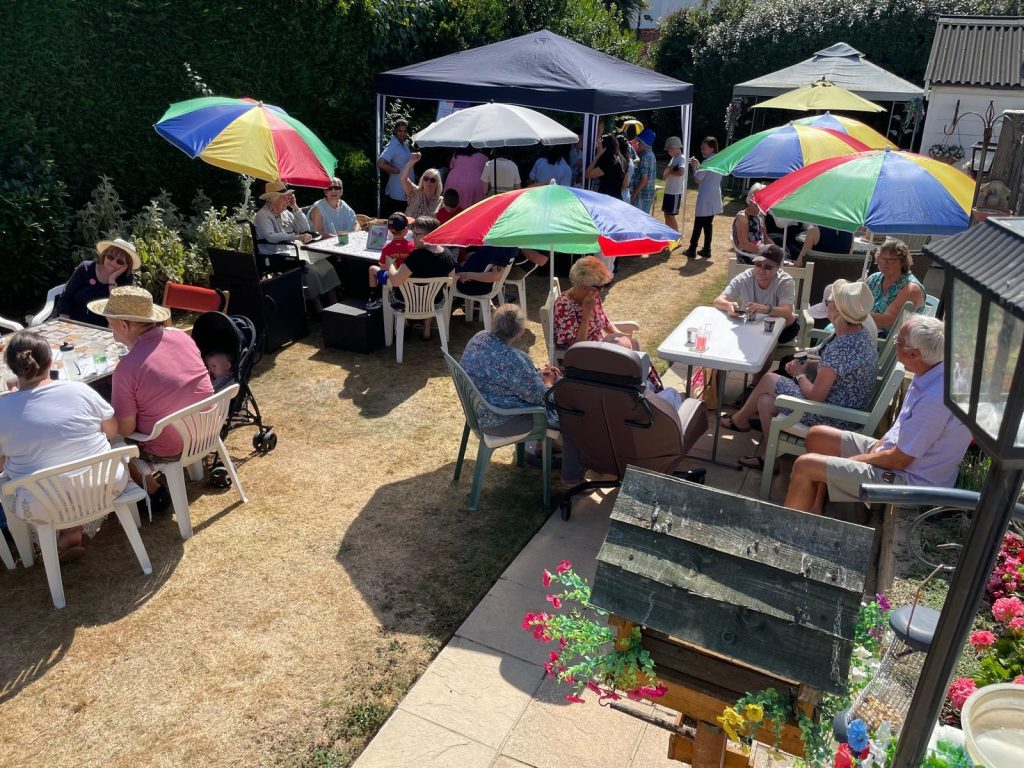
We recently held our annual charity fundraiser, and once again our garden was filled with sunshine, laughter, and the irresistible smell of freshly baked scones as we hosted a Cream Tea party in support of Breast Cancer Awareness. It was a truly special afternoon that reminded us of why community events mean so much. Charity fundraiser events are always a highlight of our summer here at Heaton House. It’s a great opportunity to bring together our residents, dedicated care team, and wonderful family members for an afternoon of fun, connection, and giving back. An afternoon of entertainment Our guests were treated to some brilliant entertainment provided by Keith Goodall, whose live music and entertainment had everyone tapping their feet and singing along. He even got everyone involved with a game of ‘name that tune’, which sparked plenty of friendly competition. The fun continued as guests put their knowledge to the test in our summer quiz, tried their luck at the tombola, and eagerly waited to see if their numbers were called in our grand raffle! Supporting a Cause Close to Our Hearts While the afternoon was full of joy, the purpose behind it made the day even more meaningful. Thanks to the generosity of all the Heaton House family and guests who attended. Supporting impactful charities is something that our community holds very close, and seeing everyone come together for such a great cause was truly heart‑warming. We’re already looking forward to planning our next charity event and continuing to make a positive difference together.
Digital Tools and Their Impact on Dementia
At Heaton house, we are dedicated to finding innovative ways to support our residents’ independence and cognitive wellbeing. While there is often a misconception that technology might weaken the brain, recent research from Being Patient suggests that mindful integration of digital tools can actually provide meaningful benefits for older people living with dementia. With this in mind, We’re proud to be keeping up with the times, as our home already features iPads and a VR headset, providing our residents with the opportunity to stay engaged, stimulated and connected. Building on these insights into dementia and technology, here are three ways why we see digital tools acting as a supportive partner in care: Technology as a “cognitive workout” Recent meta-analysis of over 400,000 adults found that regular digital device use is linked to a reduced risk of cognitive decline. This is because learning or navigating a new interface taps into neuroplasticity, the brain’s ability to form new neural connections. Learning to navigate a tablet, exploring a new app, or figuring out how to swipe through photos all activate neuroplasticity, the brain’s natural ability to form new pathways and strengthen existing ones. When a resident experiments with an iPad or tries out our VR headset, they’re not just using a gadget, they’re engaging in a gentle but meaningful mental workout. Each “tech puzzle” solved, whether it’s tapping the right icon or adjusting a headset, helps stimulate cognitive resilience in a way that feels both enjoyable and empowering Active learning vs. passive watching Screen time often gets a bad reputation, but research shows that how we use technology matters far more than the amount of time spent with it. Older adults who actively learn to use devices, like exploring apps or navigating menus, experience improvements in episodic memory and processing speed. In contrast, passive activities such as simply watching TV or films don’t offer the same cognitive benefits. At Heaton House, we encourage digital exploration, curiosity, and even a bit of that “good frustration” that comes from figuring something out. This kind of active engagement supports sharper thinking, boosts confidence, and often leads to moments of joy and accomplishment. Tools for daily autonomy However, technology isn’t only valuable for cognitive stimulation, it can also offer practical, day‑to‑day support for people living with mild cognitive impairment. Tools such as voice assistants (like Alexa or Siri) and simple reminder apps act as reliable digital prompts that help residents stay organised and confident in their routines. These tools can support: Daily organisation and planning Gentle reminders for appointments, meals, or planned activities help residents feel more in control of their day. Medication reminders Timely alerts reduce the risk of missed doses and support safer, more consistent medication management. Maintaining independence By offering subtle guidance rather than constant supervision, technology can help residents continue to do things independently. At Heaton House, we believe in mindful integration. Technology should never replace human care, but when used as a gentle companion to support learning and everyday challenges, it becomes a powerful asset for long‑term cognitive health, independence, and day‑to‑day confidence.